Company
Design
Design language, cabin materials, concept cars, and the studio behind them.

Approach
A shape that has to last three decades
Styling that dates quickly is a repairability problem as much as an aesthetic one. Owners replace panels on cars they still want to look at.
The current language is built from long uninterrupted surfaces and a low, consistent shoulder line. There are no decorative vents anywhere on any car in the range.
Read design stories
Interior
Materials chosen for the tenth year, not the first
Showroom appeal and ten-year wear pull in opposite directions. Soft-touch coatings look best on delivery day and worst by year six.
The cabin uses wool, uncoated aluminium, and a single moulded polymer for high-contact surfaces. All three age visibly rather than degrading.
How we source the wool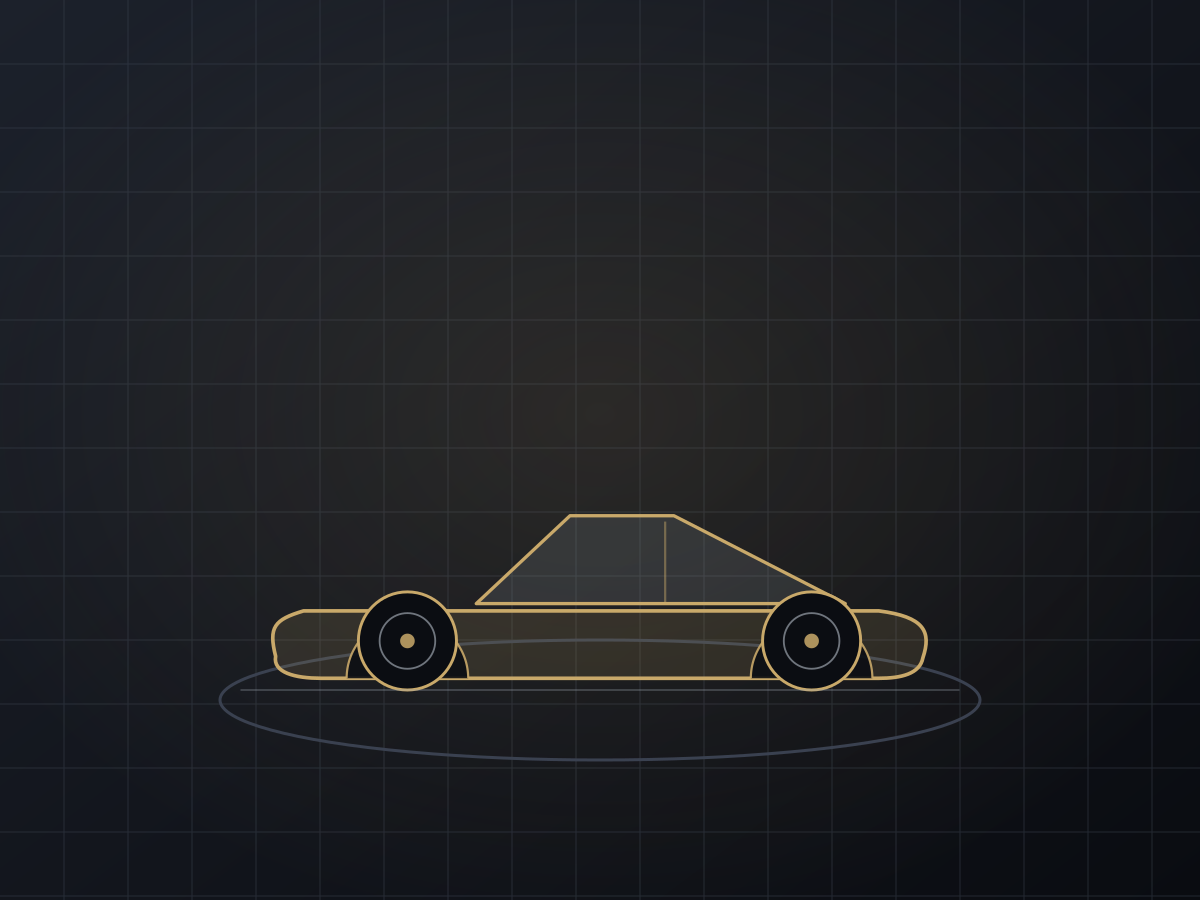
Studio
Concept cars that became production cars
A concept exists to test whether an idea survives contact with packaging, crash structure, and cost.
Vector One reached production with the roofline, the door aperture, and the interior architecture intact. Almost everything else changed.
See the range
People
From clay to code, and back to clay
The studio still runs a full-size clay model for every programme. Digital surfacing catches different mistakes than a human walking around a physical object.
Roughly forty people work across exterior, interior, colour and trim, and digital interface.
Twelve years of one door handle